The hand kiss: history and rules of a rare gesture
We think of it as old-fashioned, yet it still fascinates. The lips never touch the hand, it is never done in the street, and it cannot be improvised: what you need to know before attempting it.
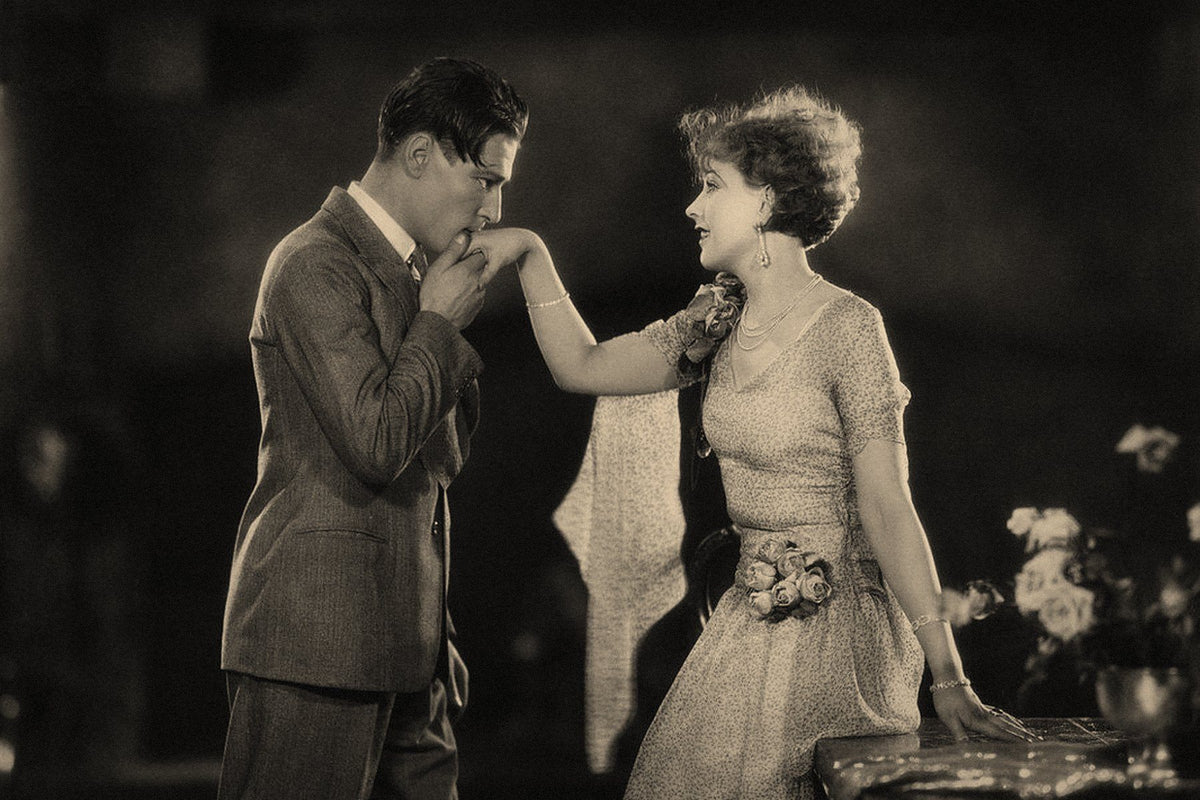
A single hand kiss in a period film is enough to make the audience hold its breath. The gesture seems to come from another century, and it does. Yet it survives, in a few drawing rooms, in certain families, at European courts and on grand occasions. Done badly, it looks theatrical. Done well, it remains one of the most elegant gestures there is.
Where does it come from?
The hand kiss is heir to a long tradition of gestures of deference. In the Middle Ages, one kissed the hand of one’s liege lord or the bishop’s ring to show loyalty. The gesture gradually detached itself from feudalism to become, from the seventeenth and above all the eighteenth century, a mark of gallantry towards women of good society. It enjoyed its golden age at the European courts of the nineteenth century, from Vienna to St Petersburg, and survived longer in Central Europe, in Poland and Austria, than in the rest of the continent.
The rules
The hand kiss follows a few precise rules, which connoisseurs notice immediately when they are broken.
- The lips do not touch the hand. The man bows and suggests the gesture a few centimetres away. A real kiss would be overfamiliar.
- The woman offers her hand. You never take hold of a hand that has not been offered to you.
- It is only done indoors. Never in the street, at a station or in a public place.
- You bow towards the hand; you do not lift it to yourself. The back bends slightly, and the woman’s hand stays at its natural height.
- It is not done to a gloved hand, except under the particular customs of certain courts.
Traditionally, the hand kiss was reserved for married women, not young girls. The distinction makes little sense today, but it recalls the essential point: the gesture implies a certain solemnity.
Should it still be done?
The honest answer: rarely. The hand kiss is for people who practise it themselves, in circles where it comes naturally, and for occasions that lend themselves to it. Offered to a colleague at a leaving drinks, it will seem comical at best, inappropriate at worst. Offered naturally to a grandmother who is used to it, at a wedding, it is charming.
In families where the custom has survived, young boys are taught to kiss their grandmother’s hand before they can even tie a tie. It is often the only occasion in their lives when they will do it, and they always remember it.
And if a hand is offered to you?
In some circles, a woman may offer her hand in a way that calls for a hand kiss rather than a handshake: palm down, held a little higher than for a handshake. If you do not practise the gesture, a gentle, brief handshake is perfectly correct. If you do, this is the moment. Either way, no comment is made.
The perfect hand kiss is the one that surprises no one.
Like many old customs, it only makes sense when offered, never imposed. That may be the best definition of good manners: a gesture that puts the other person at ease.


