Knowing what to say after a film
The lights come up, someone asks “So, did you like it?”, and you manage a yes. Four simple angles to turn that question into a real conversation, without playing the critic.
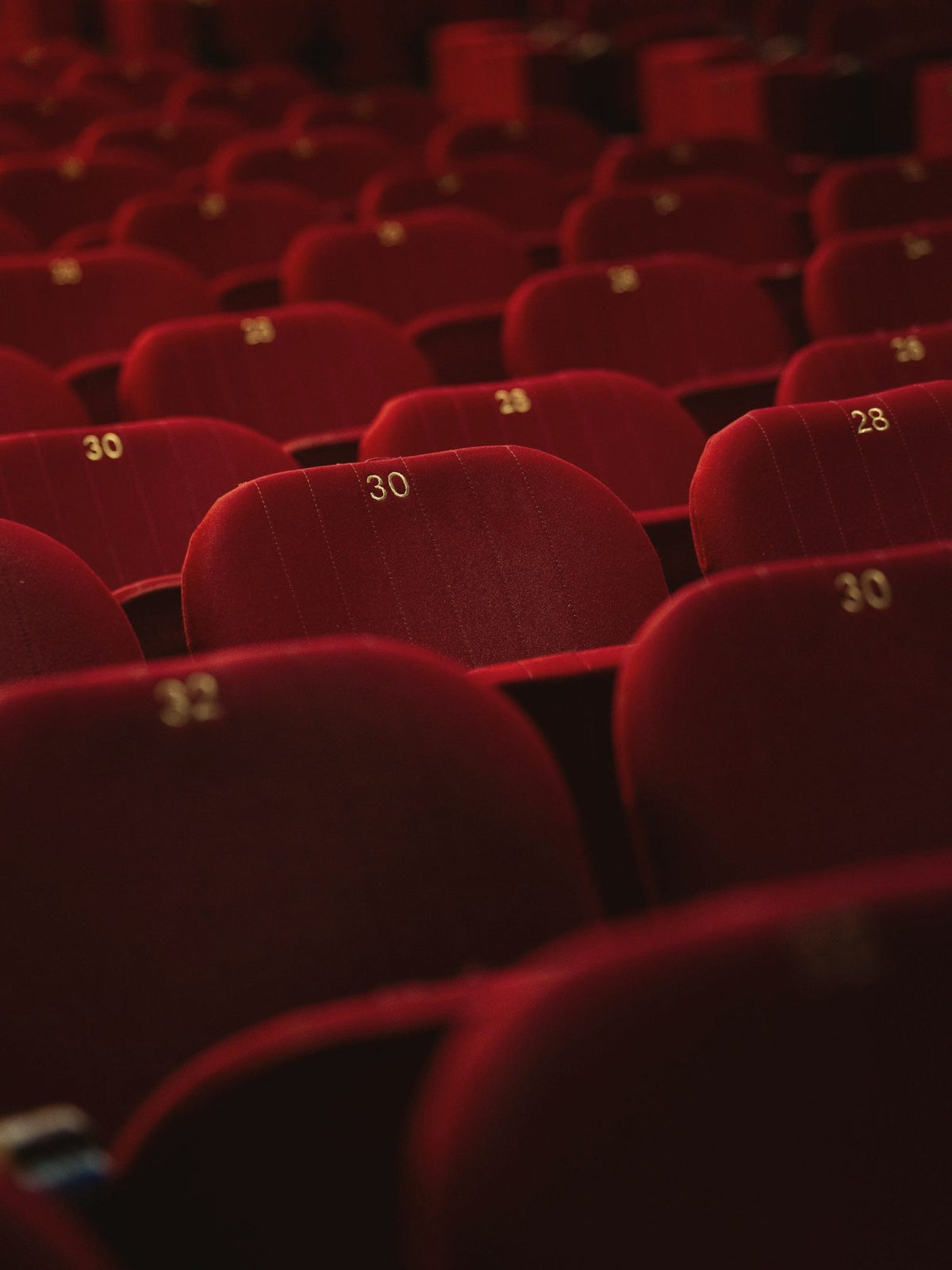
The credits roll, the lights come up, you put on your coat. On the pavement, the question comes: “So, did you like it?” And we often answer yes or no, perhaps followed by “it was a bit long”. The conversation stops there, which is a shame. A film is one of the finest topics of conversation there is, provided you have a few angles of approach.
You do not need to have read Cahiers du cinéma to talk about it well. You only need to look a little differently.
Talk about a scene
Rather than judging the whole film, talk about one scene that stayed with you, and say why. It is concrete, it is personal, and it invites the other person to share theirs. A dinner scene, a look, a silence, a shot that made you jump. You often discover that the other person was struck by a completely different moment, and the conversation really begins.
Notice the direction
Where was the camera? That is the question film lovers ask, and it is simpler than it seems. A very long shot, without a cut, following a character down a street. An unexpected close-up of a hand. An important scene filmed from afar, as if one dared not come closer. These choices often say more than the dialogue. Noticing one shows you watched the film, not just followed the story.
Light and music
A film’s colours, the light of a season, a musical theme that returns just when you no longer expect it: these are often what create the atmosphere we remember years later. You may forget the plot of a film and remember its light perfectly. Saying “I loved the late-summer light throughout the second half” is an accurate remark, and a rare one.
What the film leaves behind
An open ending, a character you cannot bring yourself to judge, a question that lingers. Great films keep working on us after the screening, and that makes an excellent topic. “Do you think she left with him in the end?” opens more doors than any analysis.
What to avoid
- The final verdict. “It was rubbish” or “It’s a masterpiece” closes the conversation.
- The summary. The other person has seen the film.
- Crushing erudition. Listing six other films by the director interests only you.
- The spoiler. Never reveal the ending to someone who has not seen it, even if they claim not to mind.
François Truffaut used to say that everyone has two jobs: their own, and film critic. The remark is ironic, but it rings true: everyone is entitled to an opinion on a film. Elegance lies in sharing it without imposing it.
And if you did not like it?
You are allowed not to. What matters is to say why, precisely, rather than condemning it wholesale. “I didn’t believe in their love story” is an interesting opinion. “It was rubbish” is not. And if the person with you adored the film they chose, tact suggests beginning with what you liked.
We talk about a film better by asking a question than by delivering a verdict.


